Published on February 8, 2026
Ready in: 30 minutes · Serves: 4 · Technique: Sautéing · Storage: Up to 3 days in the fridge.
Quick Answer
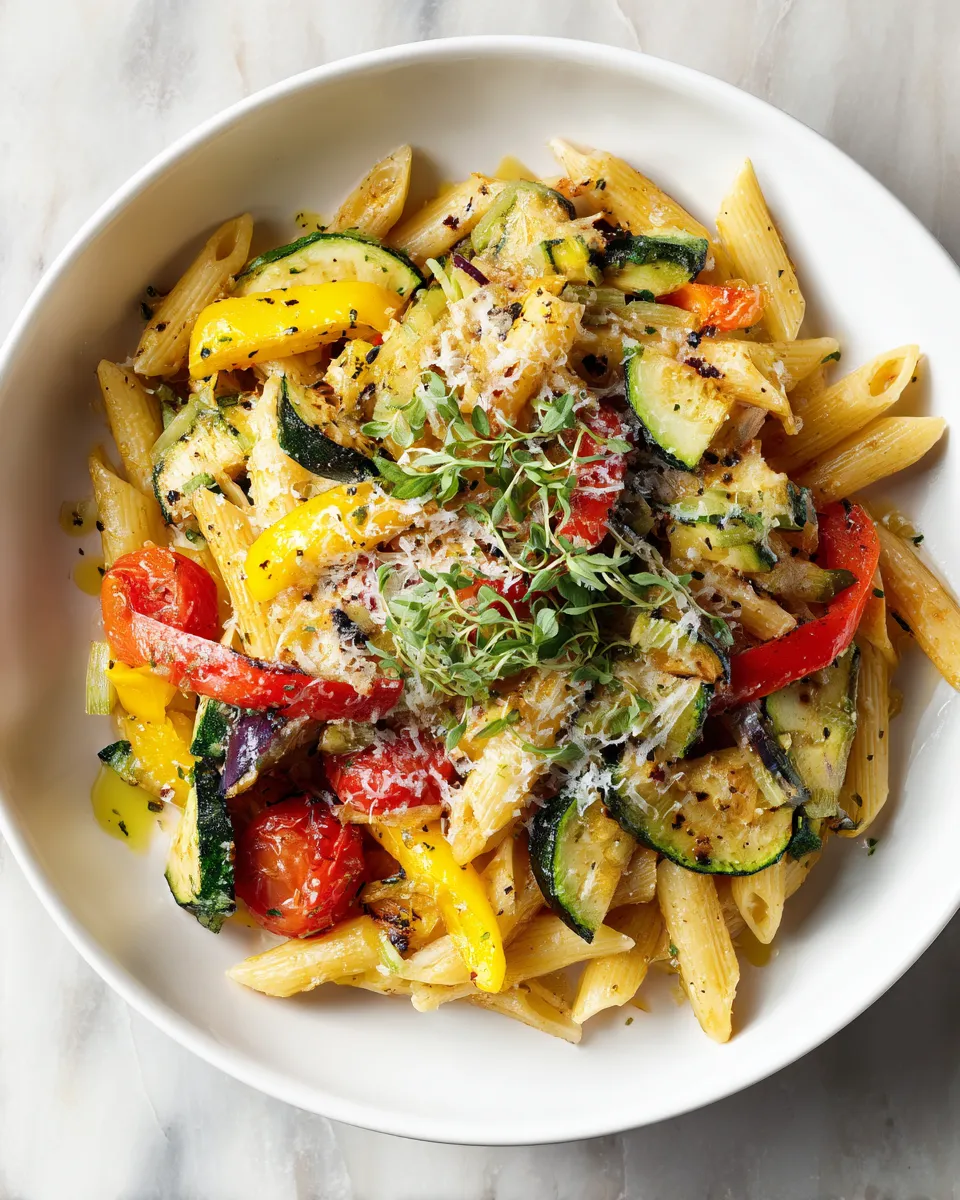
This Pasta Primavera is a colorful dish of seasonal vegetables and pasta, perfect for comforting fall meals.
As the vibrant colors of fall settle into New York City’s streets, I find a delightful anticipation in the air, especially with the festive seasons of Thanksgiving and Christmas fast approaching. Pasta Primavera is one of those dishes that speaks to me in the crisp autumn air, bursting with the freshness of seasonal vegetables while serving as a comforting reminder of hearty holiday gatherings. This recipe captures the essence of the season, allowing us to enjoy the bounty of fresh produce and the warm embrace of pasta, making it a perfect fit for your holiday dining table.
A Seasonal Delight
This Pasta Primavera beautifully embodies the flavors of fall and is perfect for gatherings, showcasing the bounty of the season in a single, vibrant dish.
Why You’ll Love This Recipe
- Brings the vibrant flavors of autumn to your dining table.
- Easy to prepare, perfect for busy holiday gatherings.
- Versatile dish that can be customized with seasonal vegetables.
- A comforting meal that’s both healthy and satisfying.
- Deliciously creamy and cheesy, with a symphony of flavors in every bite.
Ingredients
Gather the following ingredients to prepare a delightful Pasta Primavera.
Pasta
- 12 ounces of penne or any pasta of your choice
Vegetables
- 1 zucchini
- 1 yellow squash
- 1 red bell pepper
- 1 cup cherry tomatoes
- 1 cup broccoli florets
Aromatics
- 3 cloves of garlic, minced
Herbs
- 1 teaspoon dried oregano
- 1 teaspoon dried basil
Oil
- 3 tablespoons of olive oil
Cheese
- Freshly grated Parmesan cheese for serving
Salt and Pepper
- To taste
How to Make Pasta Primavera (Step-by-Step)
Follow these simple steps to create a delicious Pasta Primavera that captures the essence of the season.
Step 1: Cook the Pasta
In a large pot of salted boiling water, cook the pasta according to the package instructions until al dente. As it cooks, the delightful aroma fills the kitchen, reminding me of home-cooked meals. I love the texture of penne; it holds the sauce beautifully.
Step 2: Prepare the Vegetables
While the pasta is boiling, I wash and chop the zucchini, yellow squash, and red bell pepper into bite-sized pieces. The bright colors are a feast for the eyes! I also slice the cherry tomatoes in half and have my broccoli florets ready to go.
Step 3: Sauté the Aromatics
Heating the olive oil in a large skillet over medium heat, I wait until it shimmers. Then, I add the minced garlic, letting it cook until fragrant and slightly golden—just a minute or two. The nutty aroma begins to waft through my kitchen, setting the perfect backdrop for the fresh veggies.
Step 4: Add the Vegetables
I toss in the zucchini, yellow squash, bell pepper, and broccoli into the skillet. They sizzle in the pan as the colors deepen and the veggies soften—a glorious sight! Stirring in the dried oregano and basil allows the herbs to mingle and infuse the vegetables with their warm, earthy flavors.
Step 5: Combine with Pasta
After about 5-7 minutes, once the vegetables are tender yet still have a little crunch, I drain the pasta, reserving a cup of the pasta water. Adding the pasta directly to the skillet, I toss everything together. If the pasta seems dry, I gradually splash in a little of that reserved water until I reach the desired creaminess.
Step 6: Season and Serve
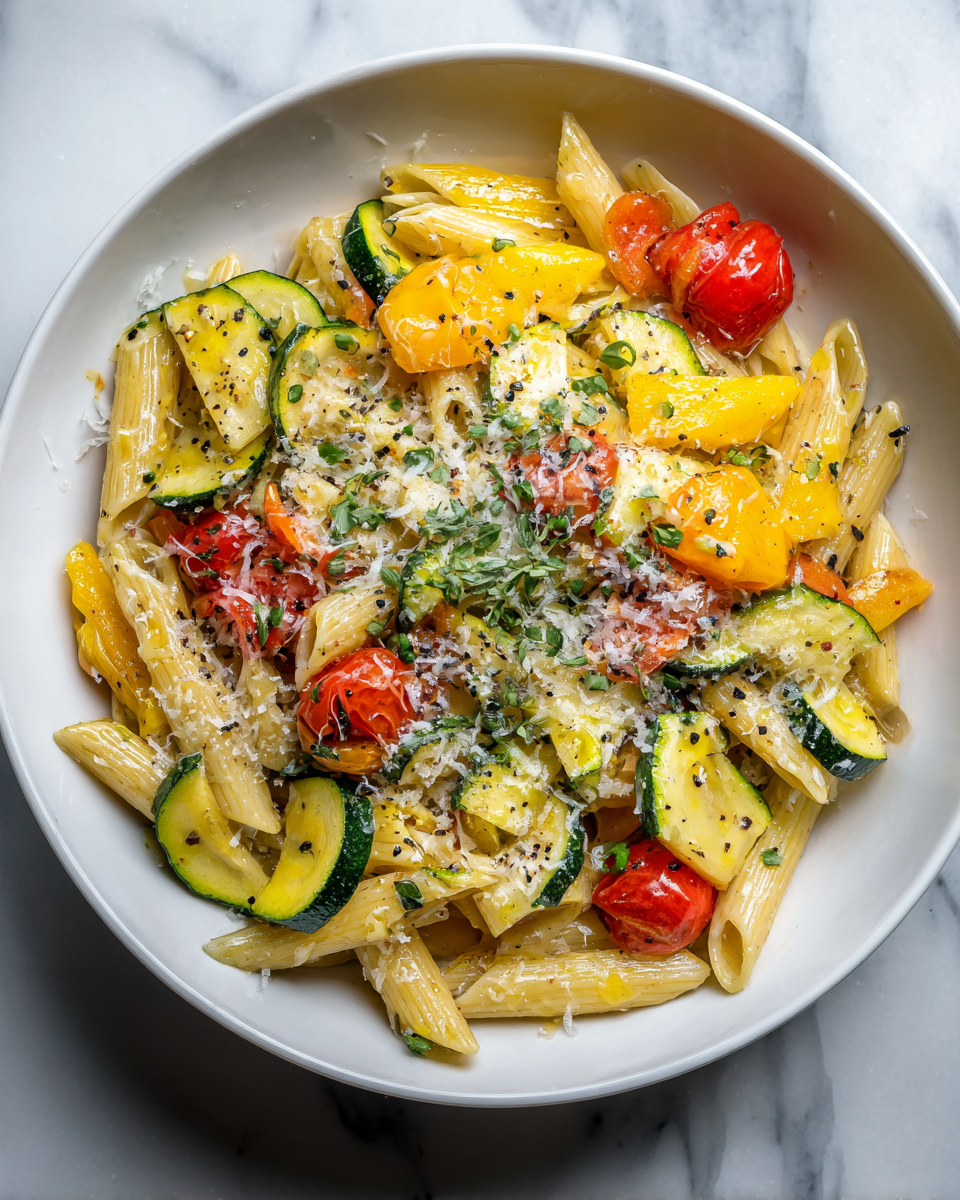
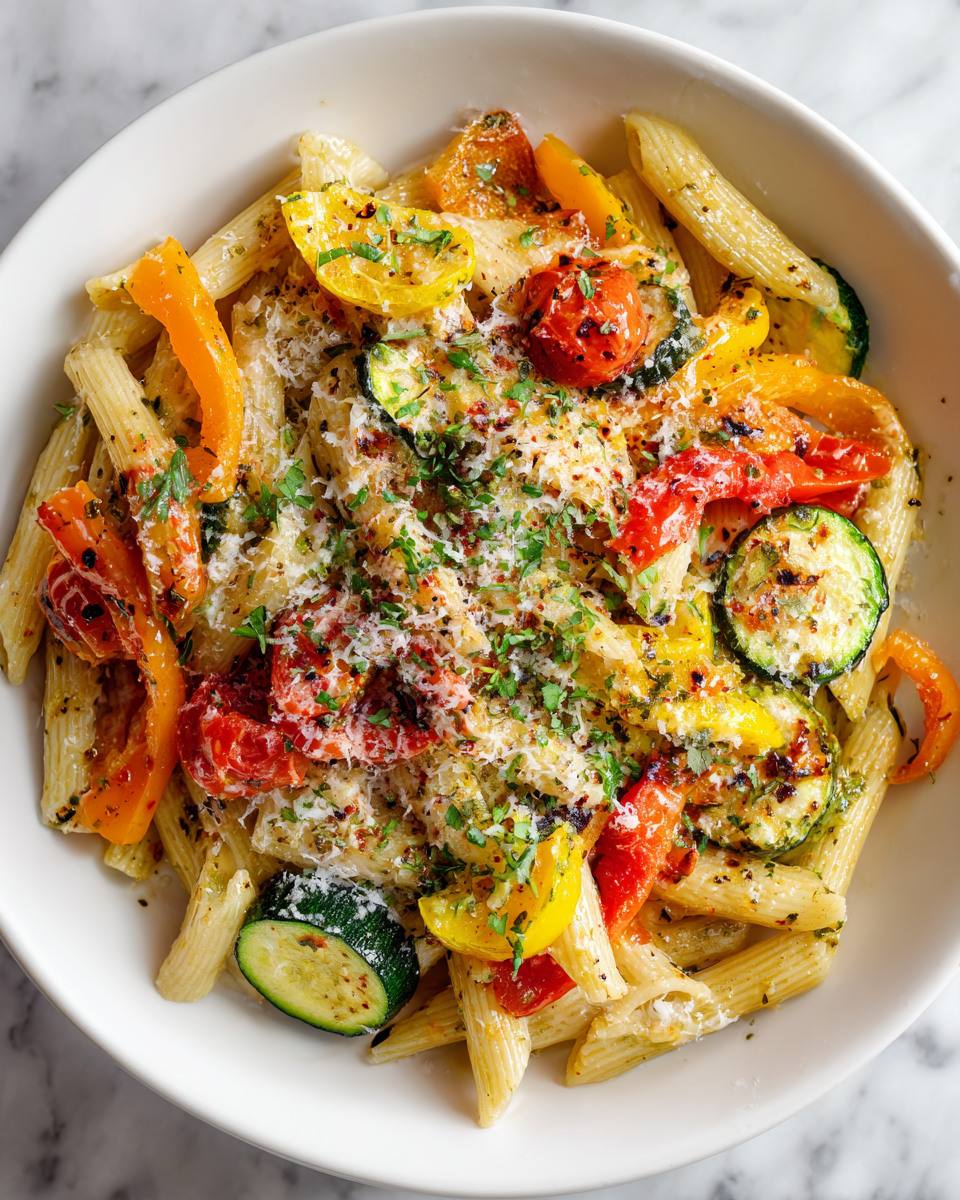
Finally, I season the dish with salt and pepper to taste. When serving, I sprinkle each bowl generously with freshly grated Parmesan cheese, watching it melt into that beautiful symphony of colors and flavors.
Common Mistakes to Avoid
- Overcooking the Pasta: Make sure to cook it only until al dente; nobody enjoys mushy pasta.
- Neglecting to Reserve Pasta Water: This starchy water is a lifesaver for achieving the perfect sauce consistency.
- Cutting Vegetables Too Small: Chopped veggies should remain substantial enough to add texture to the final dish.
Tips and Tricks for Success
- Use a mix of seasonal vegetables for vibrant color and flavor.
- Don’t rush the sautéing process; allow the garlic to become fragrant before adding vegetables.
- Adjust the thickness of your sauce by adding reserved pasta water gradually.
- Finish with freshly grated cheese for added depth and richness.
Variations
- Incorporate seasonal veggies like asparagus or Brussels sprouts during the transitional months leading into winter.
- Add protein by tossing in some grilled chicken or shrimp to make it a complete dish.
- Make it creamy with a splash of heavy cream or a dollop of ricotta for a richer sauce.
How to Serve
- Serve hot, topped with freshly grated Parmesan cheese.
- Pair with a side salad for a complete meal.
- Drizzle with a little extra olive oil for added flavor.
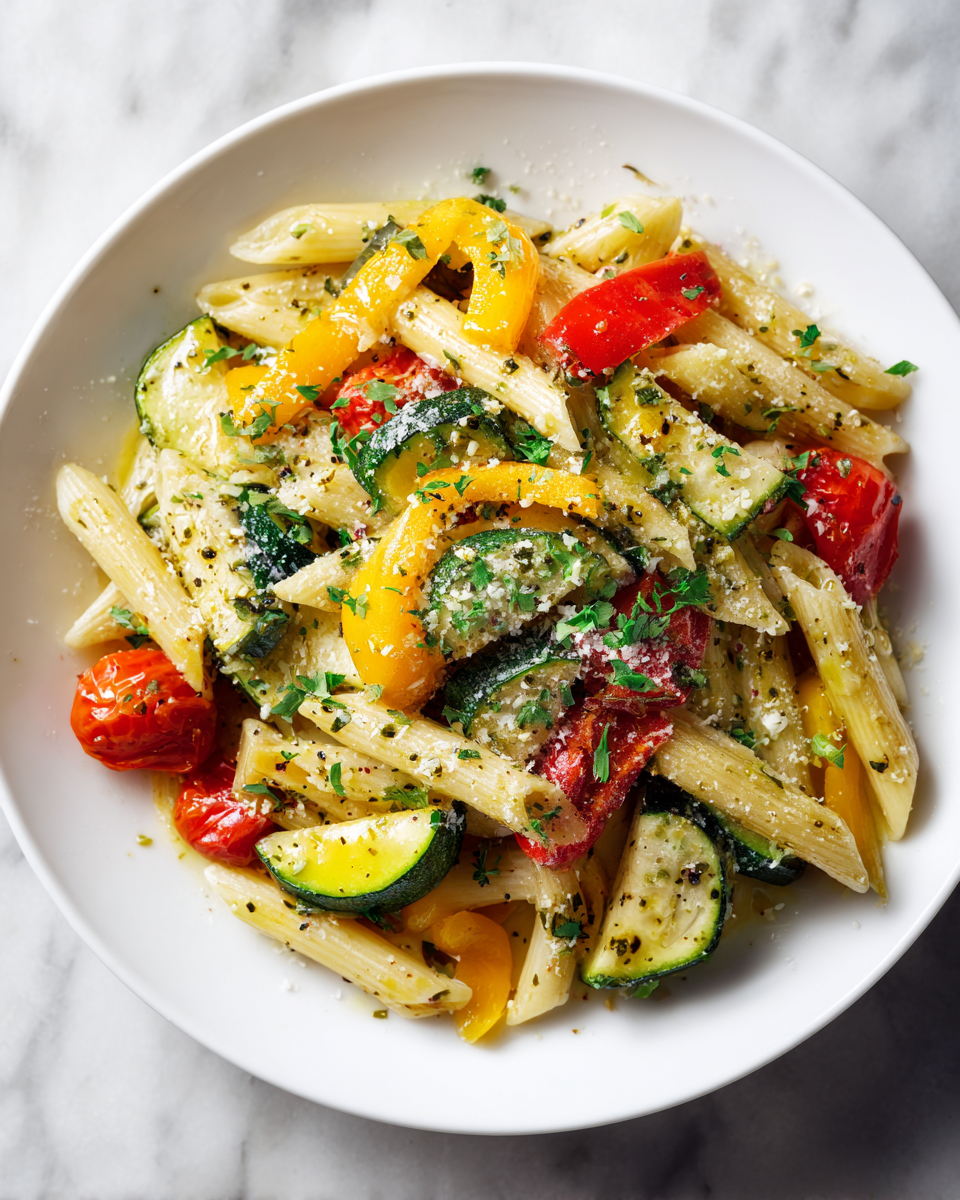
- Garnish with fresh herbs for a touch of freshness.
Make Ahead and Storage
- Make Ahead: You can prepare the vegetables and sauce a day in advance, storing them separately in the fridge.
- Storage: Store any leftovers in an airtight container in the fridge for up to 3 days.
- Reheating: When reheating, add a splash of olive oil or water to revive the pasta’s texture.
- Freezing: Freezing is not recommended for this dish, as the texture of the vegetables may suffer upon thawing.
Recipe Notes / What I Learned
Through testing this dish, I realized how versatile pasta primavera truly is—it’s a beautiful canvas for whatever seasonal vegetables I have on hand! Plus, sharing this delicious meal brings loved ones around my table, making it even more special.
Yield and Serving Size
Yield: 4 servings · Serving Size: 1 plate
Nutrition Snapshot
Estimated Nutrition Per Serving: ~350 calories · 12g protein · 50g carbs · 12g fat
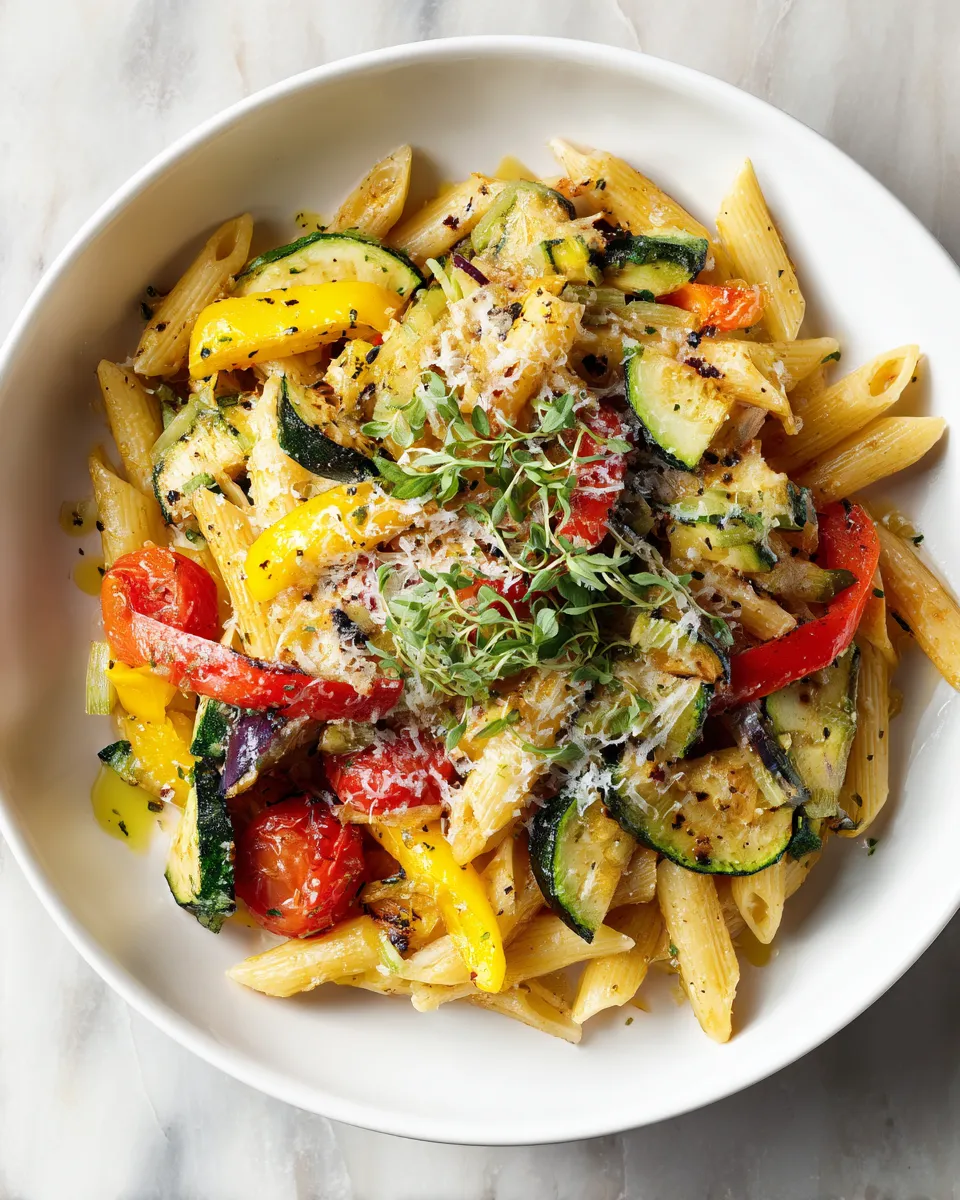
Pasta Primavera: A Cozy Autumn Delight
Ingredients
Equipment
Method
- In a large pot of salted boiling water, cook the pasta according to the package instructions until al dente. Drain and set aside.
- While the pasta is boiling, wash and chop the zucchini, yellow squash, and red bell pepper into bite-sized pieces. Slice the cherry tomatoes in half and prepare the broccoli florets.
- Heat the olive oil in a large skillet over medium heat until it shimmers. Add the minced garlic and cook until fragrant and golden, about 1-2 minutes.
- Add the zucchini, yellow squash, bell pepper, and broccoli to the skillet. Sauté until the vegetables are tender but still crisp, about 5-7 minutes. Stir in oregano and basil.
- Add the drained pasta to the skillet and toss with the vegetables. If the mixture seems dry, add reserved pasta water gradually until creamy.
- Season with salt and pepper to taste. Serve hot, topped with freshly grated Parmesan cheese.
Notes
FAQs
1. Can I use any type of pasta for this recipe?
Absolutely! While penne is a great choice, feel free to use your favorite pasta shape.
2. What can I substitute for seasonal vegetables?
You can incorporate any seasonal veggies you have on hand, like asparagus or Brussels sprouts, especially during transitional months.
3. How do I store leftovers?
Store any leftovers in an airtight container in the fridge for up to 3 days. Reheat with a splash of olive oil or water to revive the pasta’s texture.
4. Is it possible to make this dish vegetarian?
Yes, this dish is naturally vegetarian. Just make sure to check any added elements, like cheese, for vegetarian-friendly options.
5. How do I make the sauce creamier?
If you prefer a richer sauce, consider adding a splash of heavy cream or a dollop of ricotta cheese for extra creaminess.