Published on January 20, 2026
Ready in: 15 minutes · Serves: 4 · Technique: Mixing · Storage: Up to 2 weeks in the fridge.
Quick Answer
Make your own gochujang sauce by mixing together gochujang, maple syrup, rice vinegar, soy sauce, sesame oil, garlic, and ginger for a flavorful addition to your holiday meals.
If you’re looking to add a splash of vibrant flavor to your holiday meals this season, you absolutely need to try making your own gochujang sauce. Living in the heart of New York City, I’m constantly surrounded by an array of global cuisines, and the rich, spicy-sweet flavors of Korean food have always intrigued me. With Thanksgiving and Christmas just around the corner, I can’t think of a better way to spice up traditional dishes than with this incredible sauce. Perfect for marinating, dipping, or drizzling, this gochujang sauce adds a wonderful depth to everything it touches.
A Flavorful Addition to Your Holiday Table
Why You’ll Love This Recipe
- Adds a vibrant, spicy-sweet flavor to your holiday meals.
- Versatile enough for marinating, dipping, or drizzling on various dishes.
- Easy to make from scratch with simple ingredients.
- Allows customization of sweetness and heat to suit your taste.
- Perfect for impressing guests or spicing up weeknight dinners.
Ingredients
Here’s what you’ll need to create delicious gochujang sauce:
Main Ingredients
- 1/4 cup gochujang (Korean chili paste)
- 2 tablespoons maple syrup (or honey)
- 1 tablespoon rice vinegar
- 1 tablespoon soy sauce (gluten-free if necessary)
- 2 teaspoons sesame oil
- 2 cloves garlic, minced
- 1 teaspoon fresh ginger, grated
- Optional: 1 teaspoon toasted sesame seeds for garnish
How to Make Gochujang Sauce (Step-by-Step)
Follow these simple steps to create a flavorful gochujang sauce:
Step 1: Combine the Ingredients
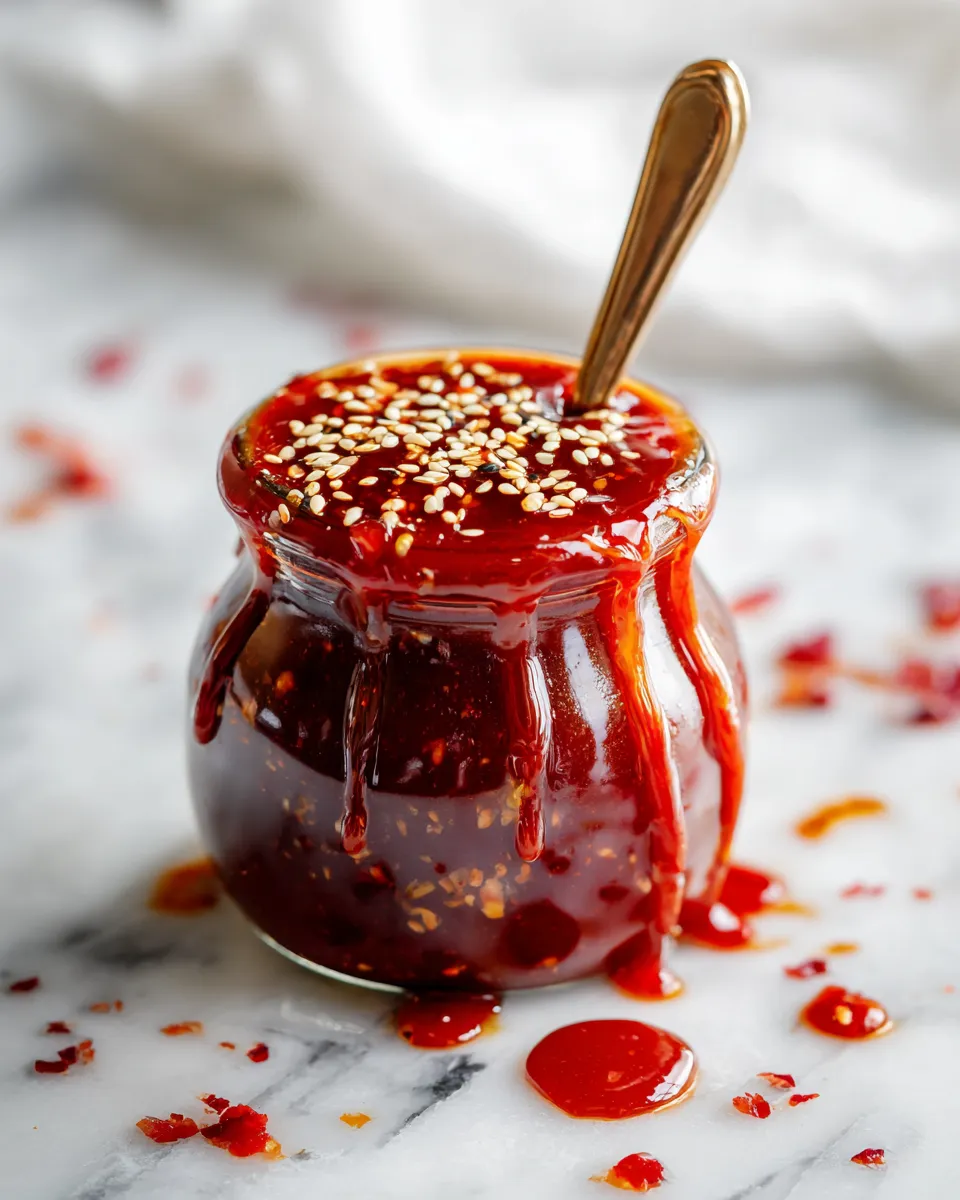
In a medium bowl, I start by adding the gochujang, maple syrup, rice vinegar, soy sauce, and sesame oil. The vibrant red of the gochujang against the golden syrup is a feast for the eyes!
Step 2: Mix and Whisk
Using a whisk, I blend the ingredients until truly smooth. The texture should be creamy with a slight sheen, which happens as the paste melds perfectly with the liquids.
Step 3: Add Aromatics
Next, I fold in the minced garlic and grated ginger. The punchy aroma fills the kitchen—there’s nothing quite like fresh ginger to awaken the senses!
Step 4: Taste and Adjust
Here’s a crucial step—after combining everything, I taste for balance. You might love a little extra vinegar for brightness or another tablespoon of sweetener if you prefer a sweeter profile.
Step 5: Serve or Store
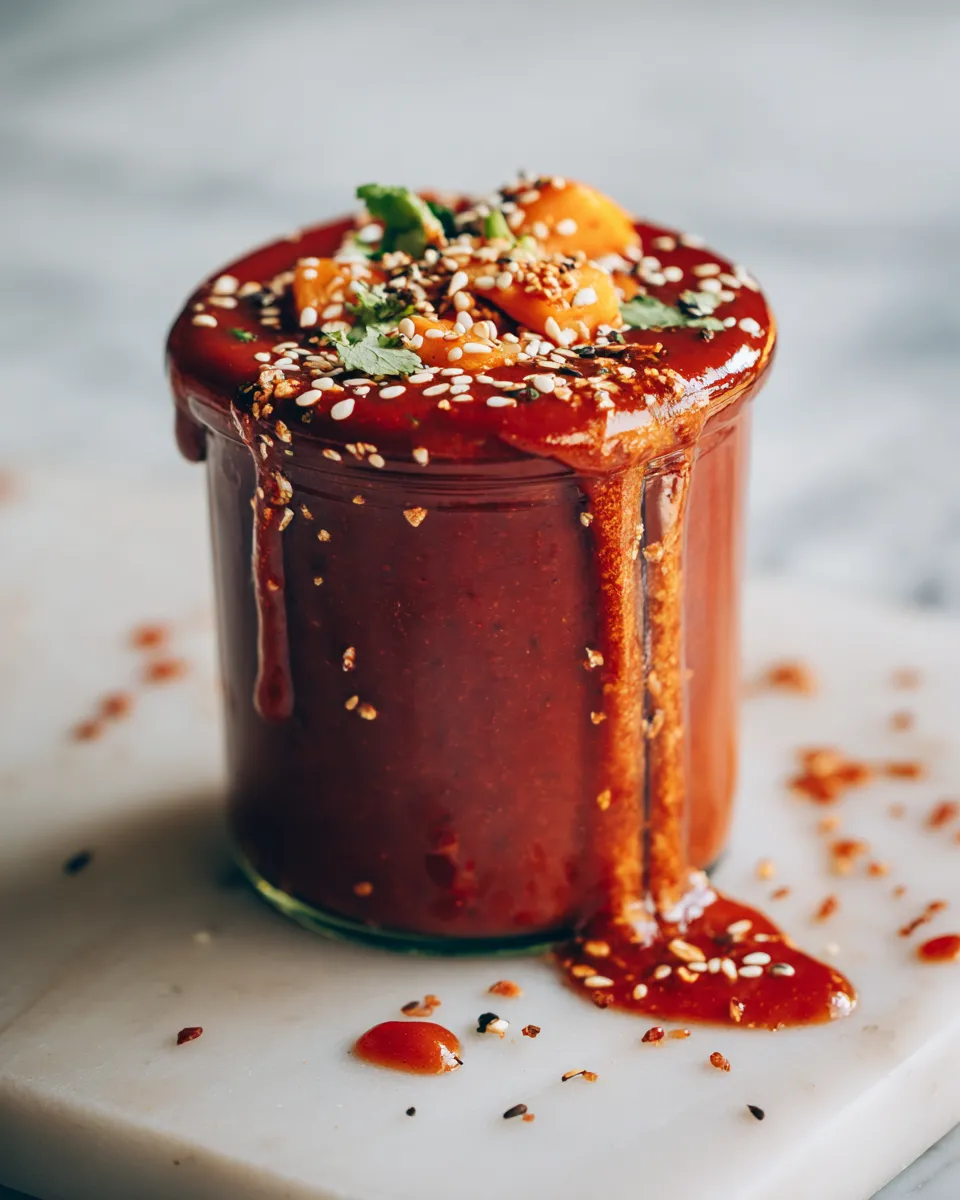
If using immediately, it’s ready to be drizzled over grilled chicken or vegetables, or served alongside crispy dumplings. If you’re prepping it ahead of time, transfer the sauce to a glass jar and store it in the fridge.
Common Mistakes to Avoid
- Using expired gochujang: Check your pantry! This sauce has a unique and complex flavor, and old gochujang can make it taste dull.
- Skipping the taste test: Every ingredient can vary in potency; missing out on this step means risking an unbalanced sauce.
- Forgetting to whisk thoroughly: This sauce should be smooth and well-combined; a lumpy sauce won’t cling well to your dishes.
Tips and Tricks for Success
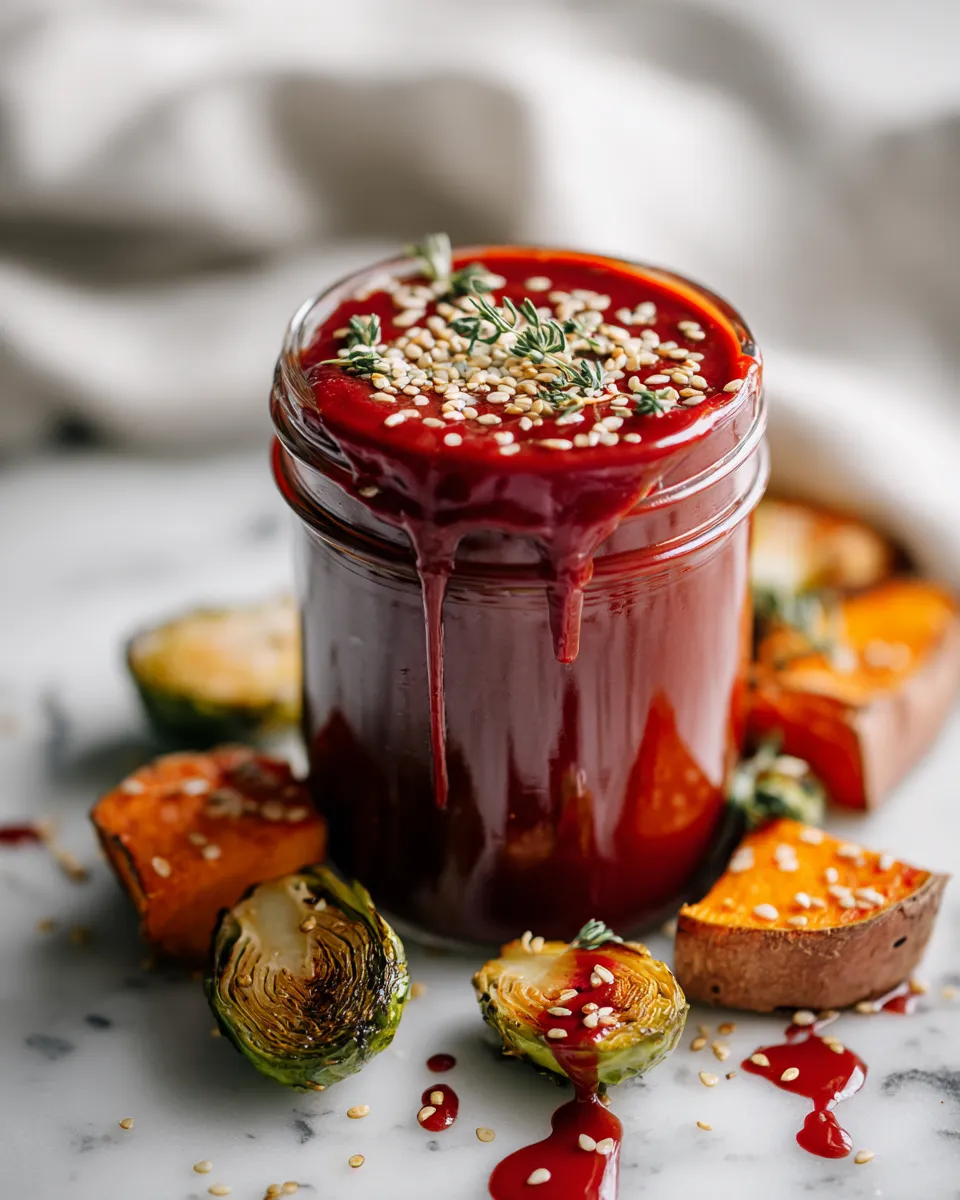
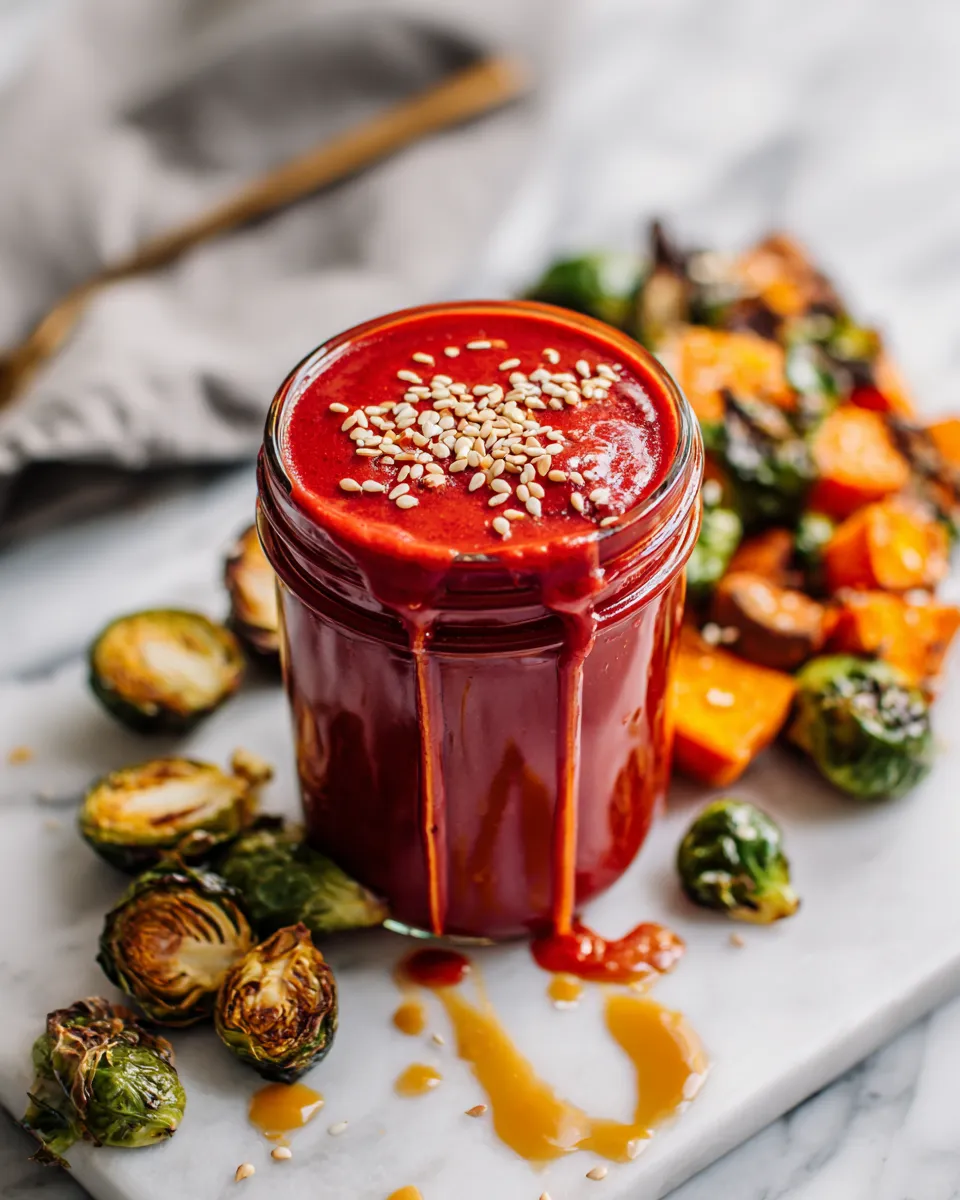
- Pair gochujang sauce with roasted vegetables for a spicy kick, especially seasonal veggies like Brussels sprouts or sweet potatoes.
- Think outside the box! This sauce can liven up a classic cheese platter when used as a dip or spread.
- Add it to soups and stews for added depth of flavor during the colder months.
- Adjust the sweetness and heat to your family’s taste for a personalized touch.
Variations
- Substitute maple syrup with honey for a more classic note.
- Use coconut aminos instead of soy sauce for a soy-free alternative.
- Add a splash of lime juice for a citrusy twist.
- Incorporate other spices like smoked paprika for additional flavor complexity.
How to Serve
- Drizzle over grilled chicken or vegetables.
- Serve alongside crispy dumplings or spring rolls as a dipping sauce.
- Use as a marinade for meats before grilling or roasting.
- Mix into salad dressings for an added kick.
- Incorporate into a bowl meal with grains and greens.
Make Ahead and Storage
- Make Ahead: This sauce can be made up to a week in advance and stored in the fridge.
- Storage: Store in an airtight container in the fridge for up to two weeks.
- Reheating: No need to reheat; it can be used cold or at room temperature.
- Freezing: Not recommended, as the texture may change upon thawing.
Recipe Notes / What I Learned
This sauce’s versatility never ceases to amaze me; it can even transform simple weeknight dinners into something extraordinary. The joy of making it from scratch means I can adjust the sweetness and heat to my family’s taste, ensuring everyone gathers around the table excited for what’s to come. With the festive season upon us, I encourage you to experiment with this gochujang sauce, weaving those warm, bold flavors into your holiday recipes—trust me, it’ll be a hit at your gatherings!
Yield and Serving Size
Yield: 1 cup · Serving Size: 2 tablespoons
Nutrition Snapshot
Estimated Nutrition Per Serving: ~70 calories · 1g protein · 15g carbs · 1g fat
Easy Gochujang Sauce for Holiday Meals
Ingredients
Method
- In a medium bowl, add gochujang, maple syrup, rice vinegar, soy sauce, and sesame oil.
- Using a whisk, blend the ingredients until smooth.
- Fold in the minced garlic and grated ginger.
- Taste the sauce for balance and adjust if necessary.
- Serve immediately or transfer to a glass jar for storage.
Notes
FAQs
1. What is gochujang sauce?
Gochujang sauce is a Korean condiment made from gochujang (red chili paste), sweeteners like maple syrup or honey, vinegar, soy sauce, and sesame oil, often enhanced with garlic and ginger.
2. How long does homemade gochujang sauce last?
When stored in an airtight container in the fridge, homemade gochujang sauce can last up to two weeks. Make sure to give it a good stir before each use, as some separation may occur.
3. Can I adjust the spiciness of the sauce?
Yes! You can adjust the spiciness by adding more or less gochujang, or by incorporating additional sweeteners to balance the heat to your preference.
4. What dishes can I use gochujang sauce with?
Gochujang sauce is versatile and can be used as a marinade, dip, or drizzle. It pairs well with grilled meats, roasted vegetables, dumplings, soups, and even as a spread for cheese platters.
5. Is there a gluten-free option for gochujang sauce?
Yes, you can use gluten-free soy sauce when making gochujang sauce to ensure it fits into a gluten-free diet.